
Story of Hermes
This might just be the modern woman’s fairytale, how the inception of the revered Hermès came to be. This specific European heritage powerhouse did not start out in the fashion industry. Thierry Hermès was a harness maker who established a workshop in Paris in 1837.
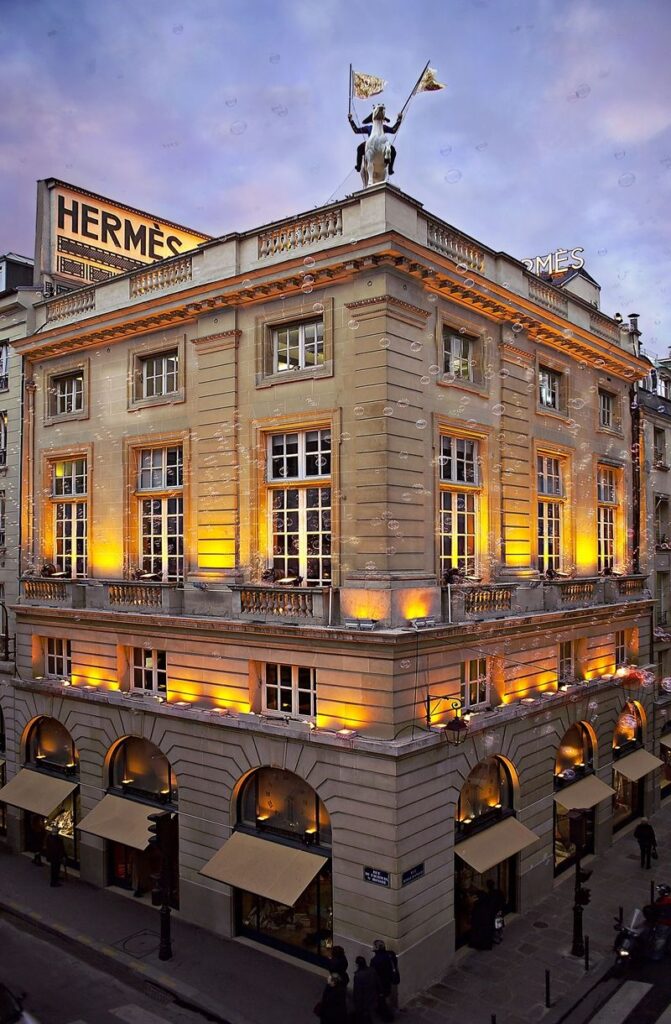
In 1880, his son, Charles-Émile Hermès, moved the workshops to the current 24 Faubourg Saint-Honoré which also doubled as a storefront for clients to customise their made to measure harnesses and saddles. But the change would not come from his generation, his son Émile Hermès was the one responsible for the expansion in product lines. His passion for his family’s business exceeded tradition and compelled him to move with modern times. Adapting to his clientele’s needs he began introducing different products mainly for men, starting with ready-to-wear in 1925.
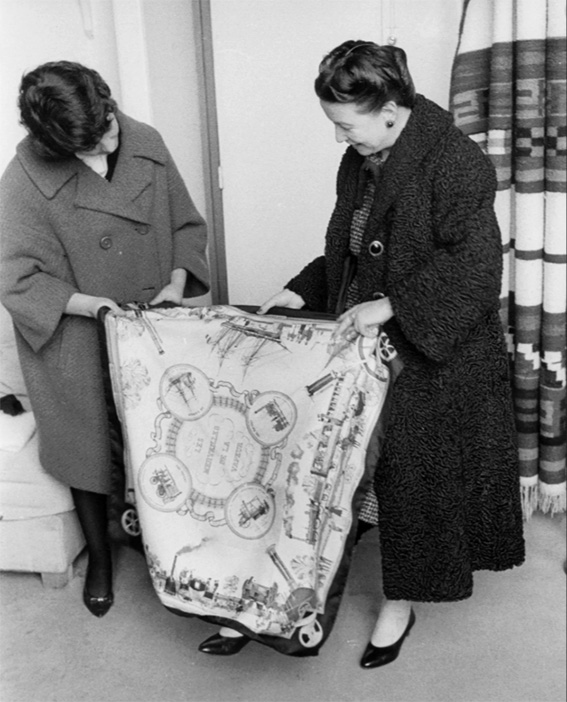
Their exponential success would come when Émile handed over the reins to his son-in-law, Robert Dumas. He was the brains behind many of their modern day icons, like the silk scarf he spearheaded in 1937. The highly convertible Kelly bag was also designed by him in tribute to the princess of Monaco, Grace Kelly. When the bag grew to international fame through a photograph of her carrying it, the house decided to name the bag after her and a legend was born.
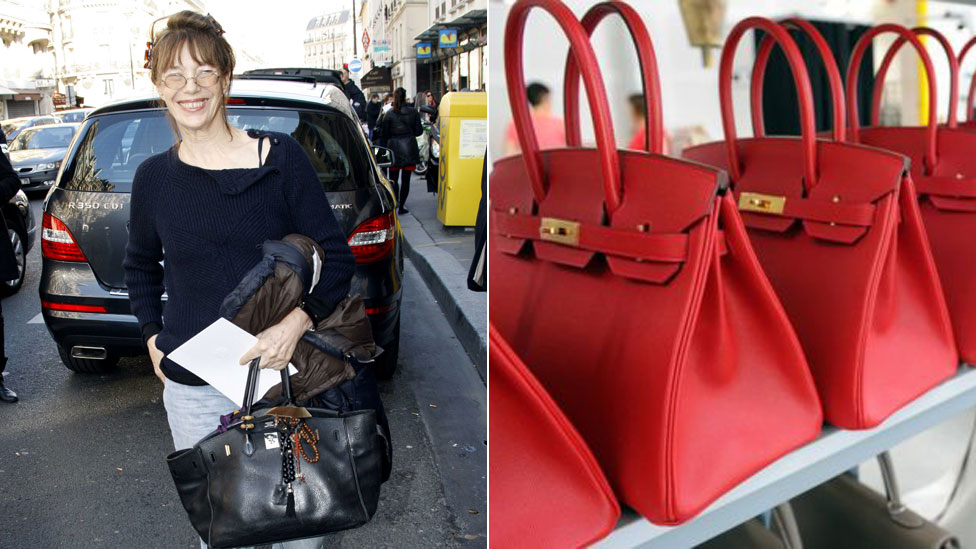
They showed their first womenswear collection in 1967, designed by Catherina Karolyi. She designed the now emblematic H buckle. A decade later, when Jean-Louis Dumas took on the brand, he started to diversify their crafts and revolutionised the brand with the solid foundation he built for the following generations. This visionary with a curiosity for all things culture embraced new crafts and established in-house watchmaking, show manufacturing, silversmith and even crystalworks. He, like his father, was a mastermind and birthed the iconic Birkin bag when he met Jane Birkin on a flight to London and was determined to design her dream bag.
Their insistence at maintaining their familial business structure has enabled them to remain true to their artisanal roots and maintain autonomy throughout most of their supply chain. With their expansion, they continue to innovate, with one of their more notable creative endeavours being petit h, where artisans and designers are given free rein with unused materials to create unique and unexpected products.
Whilst they continue to expand, they have also tapped into the lucrative beauty industry, launching their cosmetic line in 2020 amidst the gruelling pandemic. Looking behind the glassdoors of their luxurious boutiques, you’ll find the very backbone of the brand are their artisans. The attention they pay to each step of the manufacturing process is evident in their insistence of independence from any fashion conglomerate.
While some might covet their offerings as a sign of success and their status symbol, let’s not forget the intricacies that have propped up the brand and helped them flourish.
Read More
Story of Dior
Dior was founded by Christian Dior on 16 December 1946 on 30 Avenue Montaigne, where their impressiv

Post a comment
You must be logged in to post a comment.